
Obesity is a growing public health concern in India, affecting both urban and rural populations. It not only impacts quality of life but also increases the risk of conditions such as diabetes, high blood pressure, heart disease, joint problems, and sleep disorders. For individuals with severe obesity who have not responded to diet, exercise, or medications, bariatric surgery offers an effective and life-changing solution.
What is Bariatric Surgery?
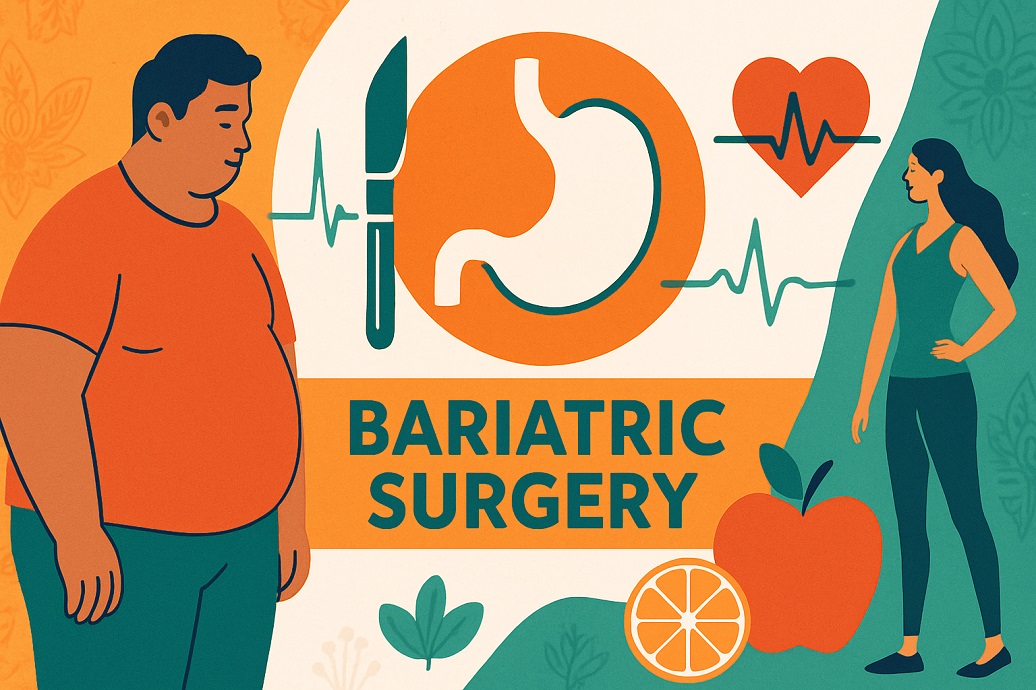
Bariatric surgery refers to a group of surgical procedures that help in weight loss by altering the digestive system. The most common types include:
- Gastric Bypass
- Sleeve Gastrectomy
- Adjustable Gastric Banding
These surgeries work by reducing the stomach size or changing how the body absorbs nutrients, leading to significant and sustained weight loss.
Who Should Consider Bariatric Surgery?
In India, bariatric surgery is recommended for individuals with a Body Mass Index of 37.5 or more, or for individuals with a BMI of 32.5 or more with associated health issues like type 2 diabetes or hypertension.
It is considered after all non-surgical options have failed and is performed under strict medical supervision.
Why is Bariatric Surgery Relevant in India?
India faces a dual burden of malnutrition and obesity. Rising consumption of high-calorie processed foods, sedentary lifestyles, and genetic predisposition contribute to rapid weight gain, especially in metro cities. Bariatric surgery can offer long-term health benefits for those struggling with morbid obesity and lifestyle diseases, including type 2 diabetes, which is highly prevalent among Indians.
Is Bariatric Surgery Safe?
Modern bariatric procedures are minimally invasive, and with experienced surgeons and proper post- operative care, the risks are low. Leading hospitals across India offer safe and affordable options, with growing insurance coverage and financing plans making it more accessible.
Final Thoughts
Bariatric surgery is not a cosmetic procedure—it's a medically approved treatment for severe obesity. With proper lifestyle changes and regular follow-up, patients can achieve lasting results and a better quality of life.