
Dengue fever, caused by the bite of an Aedes mosquito, continues to be a major health concern in India, especially during the monsoon and post-monsoon seasons. While most cases are manageable, delayed treatment can lead to serious complications like dengue haemorrhagic fever or dengue shock syndrome.
Common Symptoms of Dengue
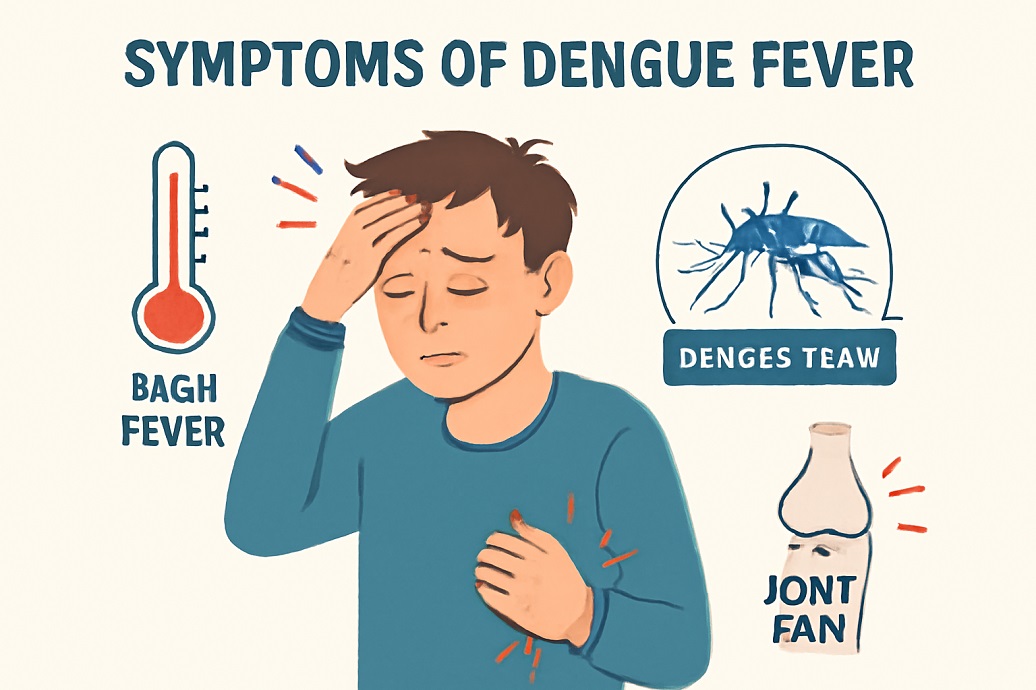
- Sudden high fever (104°F or more)
- Severe headache, pain behind the eyes
- Muscle, joint, and bone pain
- Skin rash (usually after 2–5 days)
- Nausea, vomiting, fatigue
How is Dengue Diagnosed?
Diagnosis is done through simple blood tests like:
NS1 Antigen test (early detection)
Dengue IgM/IgG Antibody tests
Platelet count monitoring
One should visit a healthcare facility if fever lasts more than 2 days.
No Specific Cure, But Supportive Care Works
There is no antiviral cure for dengue, but timely medical support can save lives. Treatment includes: Rest and hydration; oral fluids or IV if needed, Paracetamol for fever, Regular monitoring of platelet counts and warning signs. If symptoms worsen, the patient must be taken to the hospital.
How to Prevent Dengue
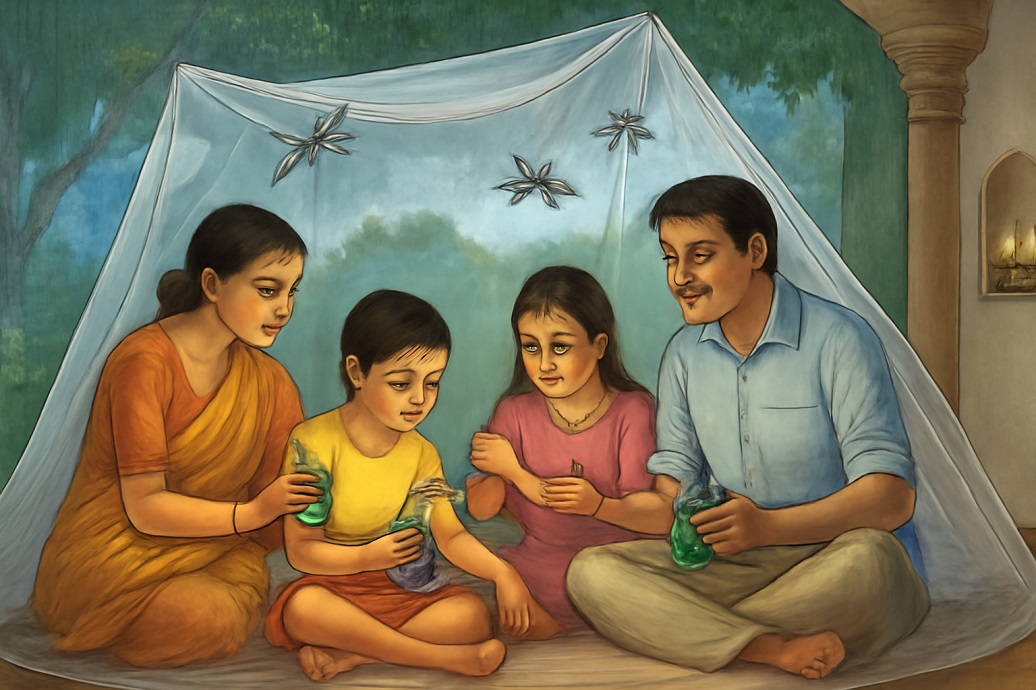
Avoiding mosquito bites, especially during early morning and late evening Not letting water stagnate Using mosquito repellents, coils, or vapourisers at home Wearing full-sleeved clothes, especially kids and elders Using mosquito nets and screens, even indoors In high-risk areas, community fogging and spraying can help
Final Word
Dengue prevention is in our hands—literally. A single mosquito bite can make you seriously ill. Stay alert, keep your surroundings clean, and seek help early if you get a fever during dengue season.
Protect yourself, your family, and your community—because prevention truly is the best cure.