
Diabetes is one of the most common chronic conditions worldwide, yet many people remain unaware of its early signs, long-term risks, and how it can be prevented or managed. Whether a person is living with diabetes or is trying to reduce risk, education is the first step toward better health.
Type 1 vs. Type 2 Diabetes: The Difference
Type 1 Diabetes (T1DM) is an autoimmune condition where the body’s immune system attacks the insulin-producing cells in the pancreas. It is usually diagnosed in children or young adults, though it can occur at any age. People with T1DM need lifelong insulin therapy. The cause is not related to lifestyle or diet.
Type 2 Diabetes (T2DM) is a metabolic disorder where the body either doesn’t produce enough insulin or becomes resistant to it.
It is more common in adults, but is increasing in children due to sedentary lifestyles.
It is linked to obesity, poor diet, and inactivity and can often be managed with lifestyle changes, oral medications, and sometimes insulin.
Early Warning Signs of Diabetes
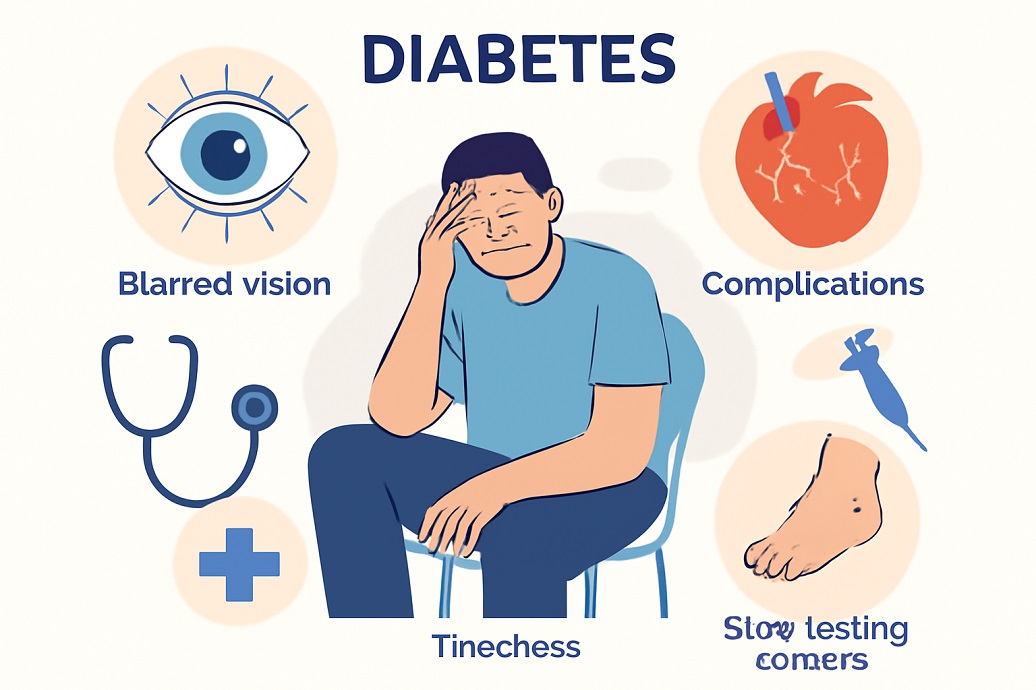
Diabetes often starts silently. Recognizing the early symptoms can help one take corrective action before complications arise.
1. Frequent urination, especially at night
2. Excessive thirst and dry mouth
3. Unexplained weight loss
4. Constant hunger
5. Blurred vision
6. Fatigue
7. Slow-healing wounds
8. Tingling or numbness in hands and feet
9. Recurrent infections (skin, gums, bladder)
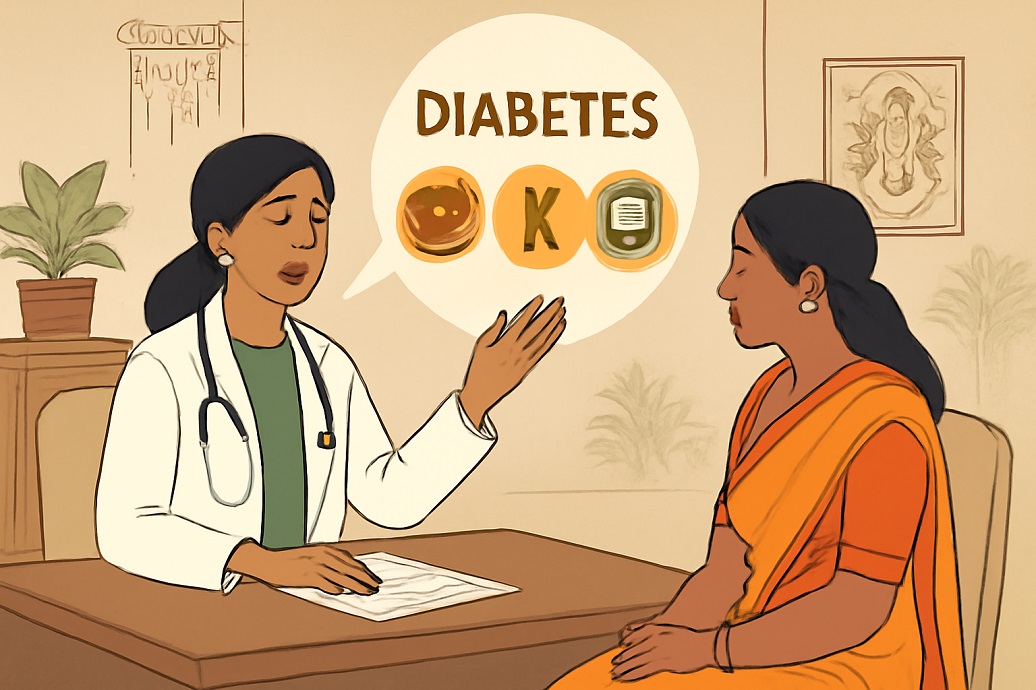
One should get their blood-sugar levels tested if they experience these symptoms.
What is Prediabetes—and Can It Be Reversed?
Prediabetes means the blood sugar levels are higher than normal, but not high enough to be diagnosed as diabetes. It’s a warning sign that the person is at risk of developing T2DM.
Prediabetes can often be reversed with balanced diet that is low in refined carbs and sugar; ensure regular physical activity, at least 30 minutes daily; and lose weight.
The patient should ensure continuous monitoring and regular follow-ups with the doctor.
Taking corrective action during the prediabetes stage can delay or prevent diabetes altogether.
How Diabetes Affect the Kidneys, Eyes, and Heart
Unchecked diabetes can damage various organs over time:
Kidneys (Diabetic Nephropathy):
High blood sugar damages the tiny blood vessels in the kidneys, affecting their ability to filter waste.This can lead to kidney failure and may require dialysis.
Eyes (Diabetic Retinopathy):
Prolonged high blood sugar can harm the retina, causing vision loss or blindness. Diabetes also increases the risk of cataracts and glaucoma.
Heart:
Diabetes significantly raises the risk of heart disease and stroke by contributing to high blood pressure, high cholesterol, and artery damage.
Managing the sugar levels, blood pressure, and cholesterol is crucial for protecting these vital organs.
HbA1c – The 3-Month Sugar Test
HbA1c (glycated haemoglobin) is a blood test that reflects average blood sugar levels over the past 2–3 months. It’s a key tool for diagnosing and monitoring diabetes.
Normal: Below 5.7%
Prediabetes: 5.7% – 6.4%
Diabetes: 6.5% and above
For people with diabetes, the general goal is to keep HbA1c below 7%, but individual targets may vary. Regular HbA1c testing helps assess how well the diabetes management plan is working.
Final Takeaway
Diabetes is manageable—and in some cases, preventable—with the right awareness and action. Everyone should learn the signs and understand the risk, get tested regularly and take steps early.