
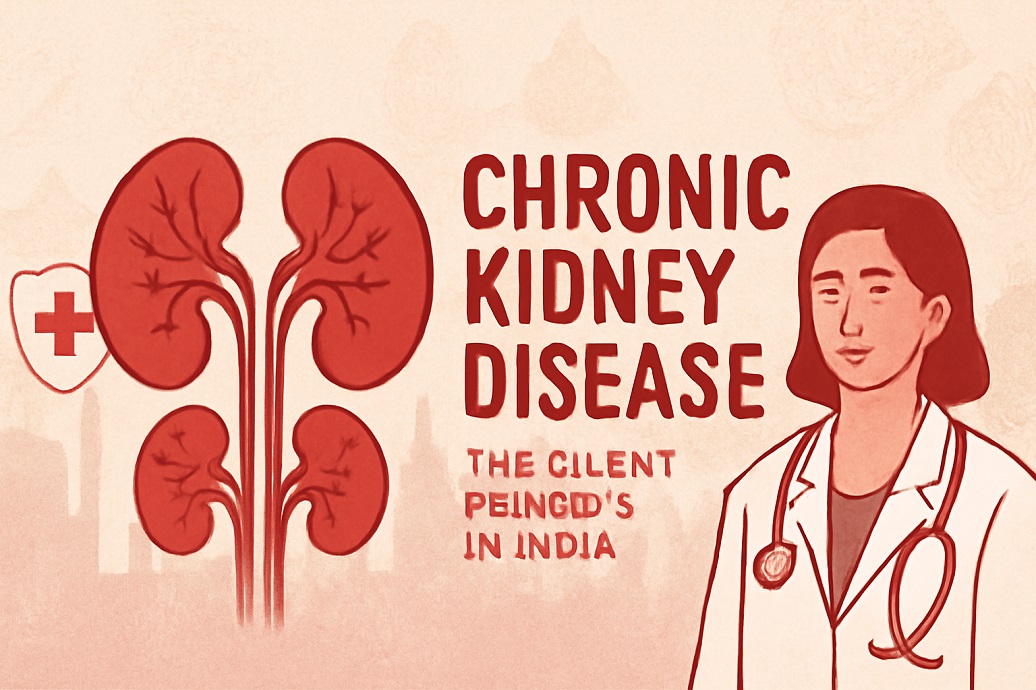
Chronic Kidney Disease (CKD) is a long-term condition where the kidneys gradually lose their function over time. In India, it is a growing health concern, often going unnoticed until the later stages, which is why it is also called a “silent killer.”
Why It Matters in India
High Diabetes & Hypertension Rates: These are the two leading causes of CKD, and both are rising rapidly in India, especially in urban areas.
Delayed Diagnosis: Many people ignore early warning signs or aren’t aware of them.
Limited Access to Treatment: Dialysis and transplant facilities are expensive and not easily available in rural parts of India.
Early Signs to Watch Out For
Swelling in feet, ankles or face.
Frequent urination, especially at night.
Persistent fatigue or weakness.
Blood in urine or frothy urine.
Poor appetite, nausea.
High blood pressure that's hard to control.
The symptoms may be subtle; one should get themselves checked if symptoms persist.
Simple Tests for Early Detection
Serum Creatinine & eGFR: Show kidney filtration rate.
Urine Albumin Test: Detects protein leak in urine.
Blood Pressure Monitoring: Helps track risk factors.
Ultrasound: To check kidney size and structure.
Everyone should get these tests done, especially if they’re suffering from diabetes or hypertension.
Lifestyle Tips to Protect the Kidneys
Control sugar and blood pressure levels.
Drink at least 1.5–2 litres of water daily.
Reduce salt intake – aim for less than 5g/day.
Avoid over-the-counter painkillers like diclofenac regularly.
Limit high-protein and high-fat foods if you’re at risk.
Quit smoking and limit alcohol.
Final Word
1 in 10 Indians may have some form of CKD. Regular screening can delay or prevent kidney failure. Chronic Kidney Disease is preventable and manageable if caught early.